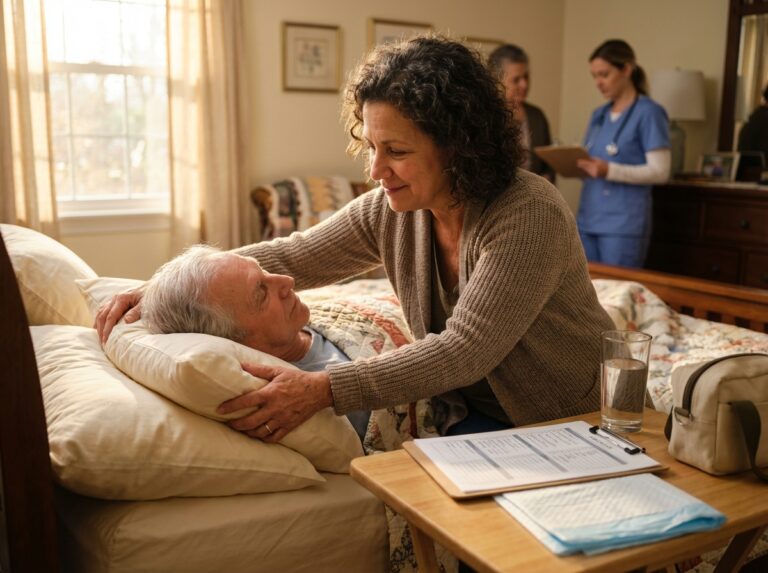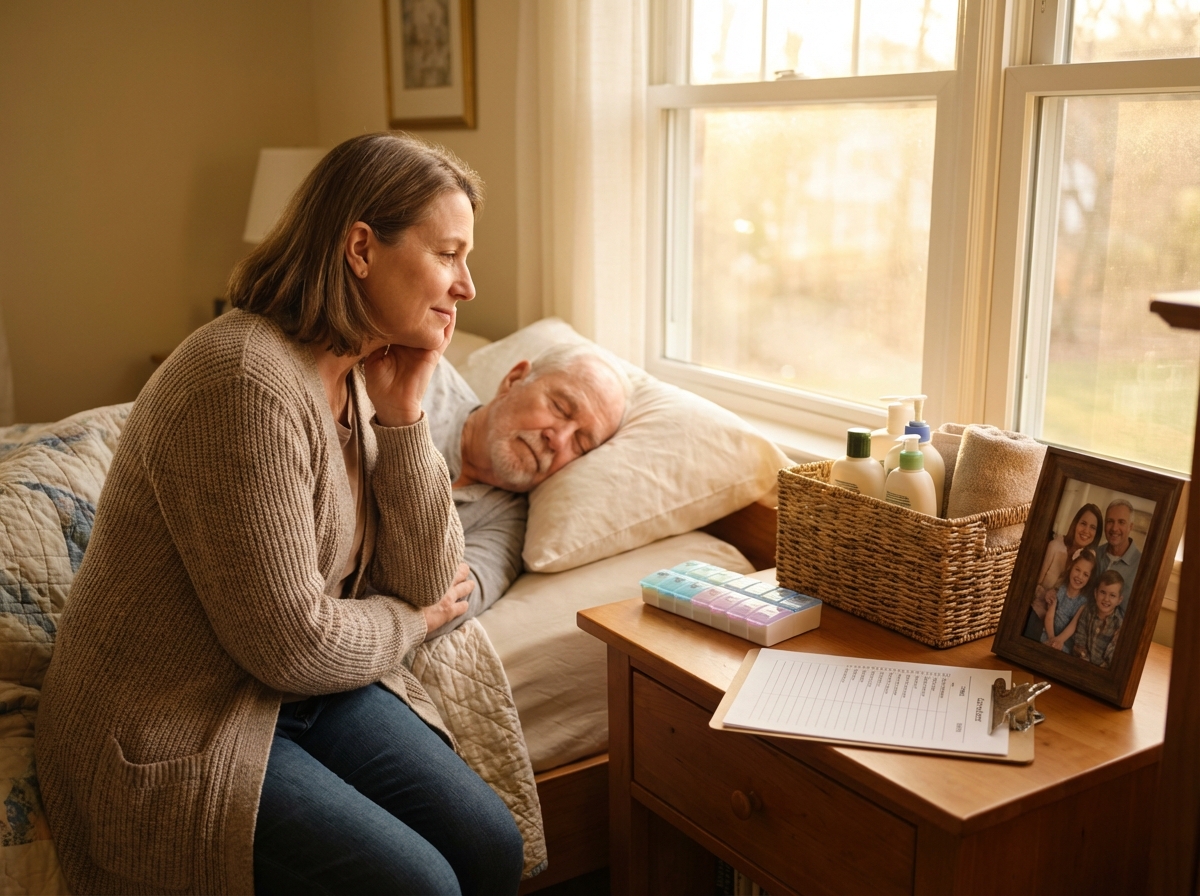
Caring for a bedbound senior at home is rewarding but physically and emotionally demanding. This article focuses on caregiver burnout — the physical warning signs that mean you need to stop and get help — and pairs those red flags with practical bedside routines, safe repositioning techniques, monitoring checklists, and immediate steps family caregivers in the USA can use to protect both themselves and their loved ones.
Why caregiver burnout matters for bedside care
Providing bedside care for a bedbound senior is one of the most physically demanding roles a person can take on. It is a 24-hour responsibility that rarely comes with a manual or a lunch break. By the end of 2025, the number of family caregivers in the United States reached approximately 63 million. This is a massive increase from previous years. Most of these individuals are caring for parents or spouses who are 75 or older. While the commitment comes from a place of love, the physical reality of moving, cleaning, and monitoring a human being every day can lead to a dangerous state known as caregiver burnout.
Caregiver burnout is not just a feeling of being tired. It is a total physiological collapse. It happens when the body stays in a state of high stress for so long that it loses the ability to recover. In a bedside setting, this manifests as a heavy, leaden feeling in the limbs and a brain fog that makes simple decisions feel impossible. You might find that your heart races when you hear the senior call for help. You might notice that your hands shake when you try to measure out medication. These are not just signs of stress. They are signals that your nervous system is overwhelmed. When you reach this point, the quality of care you provide begins to drop, often without you realizing it.
The Risk to the Bedbound Senior
Recognizing burnout is a matter of safety for the person in the bed. When a caregiver is physically and mentally exhausted, the risk of serious medical errors increases significantly. Research indicates that chronic sleep restriction, which is common for those providing overnight bedside care, creates cognitive impairments similar to being legally intoxicated. This level of exhaustion makes it easy to misread a syringe or forget if a morning dose of blood pressure medication was already administered. Medication errors are a leading cause of hospital readmissions for seniors at home.
Physical exhaustion also leads to lapses in hygiene and skin maintenance. A bedbound senior relies entirely on their caregiver to prevent pressure injuries, which are commonly known as bedsores. Preventing these painful wounds requires repositioning the patient at least every two hours. If a caregiver is too tired to perform a heavy lateral turn or simply falls asleep from exhaustion, the senior stays in one position for too long. This cuts off blood flow to the skin over the tailbone or heels. Within hours, tissue can begin to die. Once a pressure injury starts, it can quickly progress to a deep infection that requires surgery or leads to sepsis. Burnout makes these “invisible” tasks, like checking the skin for redness or ensuring the sheets are dry, the first things to fall through the cracks.
The Physical Toll on the Caregiver
The caregiver’s own health often becomes a secondary concern, but the data shows this is a mistake. In 2025, reports showed that 1 in 5 caregivers describe their own health as fair or poor. This is a direct result of the physical strain of bedside care. Lifting and repositioning a senior without professional equipment or training frequently leads to chronic back pain, rotator cuff tears, and joint injuries. Many family members try to “muscle through” a transfer from the bed to a commode, only to end up with a spinal injury that leaves them unable to provide any care at all.
Beyond injuries, chronic stress actively suppresses the immune system. Caregivers have been found to have higher levels of inflammatory markers in their blood. This means you are more likely to catch every virus that goes around. It also means that if you have a chronic condition like diabetes or asthma, that condition will likely get worse. Your body is so focused on the external stress of caregiving that it stops maintaining its internal defenses. This creates a cycle where the caregiver becomes as fragile as the person they are caring for.
The Reality of the Caregiving Landscape
Most people in this position have had no formal medical training. Only about 11 percent of family caregivers in the U.S. report receiving any instruction on how to help a senior with daily activities like bathing or dressing. Even fewer receive training on medical tasks like wound care or injections. This lack of preparation adds a layer of physical tension to every movement. You are not just moving a person; you are worrying about hurting them or falling yourself. This constant state of “bracing” for a mistake accelerates the burnout process.
Respite care, which is a temporary break provided by a professional or another family member, is often difficult to find or afford. Many caregivers feel they must do everything themselves to save money or because they do not trust anyone else with the senior’s routine. However, the economic value of this unpaid labor is staggering. Estimates for 2025 suggest that unpaid family caregiving contributes over $870 billion to the U.S. economy annually. You are performing a high-value, high-stakes job. Treating it with the same seriousness as a professional medical role means acknowledging when the “staff” (which is you) needs a mandatory break for safety reasons. You can find more data on these trends in the Caregiving in the US 2025 – AARP report.
What You Will Learn in This Guide
The goal of the following chapters is to give you a roadmap for managing these physical demands while protecting your own health. We will move past the general idea of “self-care” and focus on practical, clinical signs that you are in the danger zone. You will learn exactly which physical red flags mean you must stop and seek help immediately. We will also provide structured routines for bedside care that are designed to save your back and keep the senior safe.
Specific Physical Red Flags
We will list the acute signs of burnout, such as unexplained dizziness, chest palpitations, and chronic insomnia. You will learn how to distinguish between normal tiredness and a medical emergency that requires a trip to the doctor.
Practical Bedside Routines
You will find instructions on how to manage hygiene and repositioning without injuring yourself. We will cover the “bridge and slide” technique and how to use simple tools like slide sheets to reduce the physical force needed to move a loved one.
Monitoring and Checklists
To take the mental load off your shoulders, we provide checklists for daily monitoring. These tools help you track the senior’s vitals and skin health so you do not have to rely on your memory when you are tired.
Building a Respite Plan
We will explain how to find local resources and how to ask for help before a crisis happens. This includes a template for a one-week symptom log that you can use to show a doctor or a family member exactly why you need a break. Early intervention is the only way to prevent a permanent health crisis for both you and the person in your care.
Recognizing physical signs that you urgently need a break
Caring for a bedbound senior requires immense physical effort. You are often the primary person handling repositioning, hygiene, and transfers. It is easy to ignore your own body while you focus on the needs of your loved one. However, your physical health is the foundation of the care you provide. If you break down, the entire care system at home fails. You must recognize when your body has reached its limit before a medical crisis occurs.
Acute physical red flags requiring immediate action
Some symptoms are not just signs of tiredness. They are urgent warnings that your body is under dangerous levels of stress or experiencing a medical emergency. If you experience any of the following, you must stop caregiving activities immediately.
Chest pain with shortness of breath
Pressure or tightness in your chest is a major red flag. If this happens while you are lifting or turning a senior, it could indicate a cardiac event. Shortness of breath that does not improve with rest is equally serious.
Next step. Call 911 immediately. Do not attempt to finish the care routine. Contact a backup caregiver or a neighbor to stay with the senior while you seek emergency care.
Sudden fainting or near-syncope
Feeling like you are about to pass out is called near-syncope. This often happens during high-strain tasks like moving a patient from a bed to a chair. It can be caused by dehydration, heart rhythm issues, or extreme exhaustion.
Next step. Sit or lie down immediately to avoid a fall. Call 911 if you lose consciousness. If you only feel dizzy, call your primary care doctor the same day. You cannot safely lift another person if you are prone to fainting.
Hypertensive urgency
If you have a blood pressure monitor at home, use it. A reading of 180/120 mmHg or higher is a crisis. This level of high blood pressure can lead to a stroke or heart attack.
Next step. Stop all activity. Call your doctor or go to an urgent care center right away. High blood pressure is often a silent result of chronic caregiving stress.
Sudden palpitations
A racing or skipping heart rate that lasts more than 10 minutes needs evaluation. This is especially true if it is accompanied by lightheadedness.
Next step. Stop what you are doing. Sit quietly and check your pulse. If the palpitations continue or cause pain, seek emergency medical help.
Chronic signs of burnout and physical decline
Not every sign of burnout is a sudden emergency. Many symptoms develop over weeks or months. These chronic issues suggest that your immune system and musculoskeletal system are failing. According to Caregiving in the US 2025, nearly 1 in 4 caregivers struggle to care for themselves. This self-neglect leads to the following chronic conditions.
Extreme exhaustion that sleep does not fix
This is different from being sleepy. It is a deep, heavy fatigue that remains even after you get a full night of rest. It indicates that your cortisol levels are likely imbalanced from constant “fight or flight” stress.
Next step. Schedule a medical evaluation. You may need blood work to check for anemia or thyroid issues. You must arrange for respite care to get more than just one night of sleep.
Persistent muscle aches and joint injuries
Back pain is the most common injury for home caregivers. Repetitive lifting without professional equipment causes micro-tears in muscles and discs. If you have sharp pain, numbness, or weakness in your arms or legs, you have a significant injury.
Next step. Stop all manual transfers. Contact a physical therapist. You should request a mechanical lift through home health or a local equipment loan program to prevent permanent disability.
Frequent infections and suppressed immunity
Chronic stress raises inflammatory markers like IL-6. This makes you more likely to catch colds, the flu, or skin infections. If you are sick more than three times a year, your body is overwhelmed.
Next step. See your doctor to discuss stress management. Ensure your vaccinations are up to date. You cannot provide bedside care if you are constantly bringing infections into the home.
Rapid weight changes or loss of appetite
Losing or gaining a significant amount of weight in a short time is a sign of metabolic stress. It often goes along with skipping meals because you are too busy with care routines.
Next step. Track your weight weekly. If you lose more than 5 percent of your body weight in a month, see a doctor. Nutritional gaps will make your fatigue worse.
Cognitive and mental health emergencies
Physical burnout affects the brain. When you are sleep-deprived and stressed, your cognitive function drops. This creates a dangerous environment for a bedbound senior who relies on you for medication and safety.
Medication mistakes or confusion
If you find yourself double-dosing the senior or forgetting critical medications, you are cognitively impaired by burnout. This is a sign that your brain can no longer process complex tasks.
Next step. Contact a home health agency or a family member to take over medication management immediately. Use a pill organizer and a written log to reduce the risk of errors.
Severe depression or suicidal thoughts
Mental health is a physical state. If you feel hopeless or have thoughts of harming yourself, this is a medical emergency.
Next step. Call or text 988 in the United States. This is the Suicide and Crisis Lifeline. It is available 24/7 and provides immediate support. You must seek professional help and find an alternative care plan for your loved one.
Tracking your symptoms for better decisions
It is hard to remember how you felt three days ago when every day feels the same. Keeping a log helps you see when your health is trending downward. Use the template below to track your vitals and feelings for one week. If you see a pattern of high fatigue or physical pain, use that data to justify asking for help or hiring a respite provider.
| Day | Sleep Hours | Fatigue (1-10) | Physical Pain | Mood/Stress | Errors/Confusion |
|---|---|---|---|---|---|
| Mon | |||||
| Tue | |||||
| Wed | |||||
| Thu | |||||
| Fri | |||||
| Sat | |||||
| Sun |
How to use this log
If your fatigue rating is 7 or higher for three days in a row, you need a break immediately. If you mark “Yes” for errors or confusion even once, you must bring in a backup caregiver. Take this log to your primary care appointment. It provides the evidence your doctor needs to help you coordinate respite care or medical leave. Do not wait for a total physical collapse to admit that the current routine is not sustainable.
Practical bedside routines to reduce burnout and protect the bedbound senior
Managing bedside care for a bedbound senior is a heavy lift that requires more than just good intentions. On average, caregivers spend 27 hours every week on these tasks. According to the Caregiving in the US 2025 – AARP report, many of these individuals perform high-intensity medical duties without formal training. Without a system, the physical strain leads to injury. You can protect your back while keeping your loved one safe by following a set routine.
Daily Hygiene and Skin Care
Oral Care Routine
Perform oral care at least twice every day. Use a soft toothbrush or oral swabs to clean the teeth, tongue, and gums. This practice reduces the risk of aspiration pneumonia in frail seniors. If the person is unable to spit, use a small amount of non-foaming toothpaste. Check for red spots or white patches that might indicate a fungal infection.
Skin Cleansing and Perineal Care
Clean the skin daily with pH-balanced, no-rinse cleansers. Avoid harsh soaps that strip moisture. Perineal care must happen after every incontinence episode. Use soft wipes and apply a barrier cream containing zinc oxide or dimethicone. This creates a shield against moisture-associated skin damage. This type of damage increases the risk of pressure injuries by up to six times.
Nail and Hair Care
Trim fingernails weekly to prevent accidental skin tears. Check toenails once a month. If the senior has diabetes or vascular disease, ask a professional podiatry service to handle nail trimming. Wash hair once or twice a week using a no-rinse shampoo cap for convenience.
Repositioning and Safe Transfers
The Two-Hour Rule
Reposition a high-risk bedbound senior every two hours. If they use a high-specification pressure-redistribution mattress, you might extend this to every four hours. Use a 30-degree lateral tilt to offload weight from the hips and tailbone. Avoid a 45-degree incline for long periods. High inclines increase the risk of sliding and skin shearing.
Safe Handling Techniques
Use a slide sheet to move the person up in bed. This tool reduces the force needed for lateral moves by 60 percent. If you are working alone, only attempt lateral moves for patients under 150 pounds. For heavier individuals, use a mechanical lift like a Hoyer lift. These devices cost between 1,000 and 3,500 dollars. You can often request this equipment through home health programs or Medicaid waivers. Use a transfer belt for any standing moves to give yourself a secure grip.
Pressure Injury Prevention
Daily Skin Inspection
Inspect the skin every morning and evening. Pay close attention to bony areas like the heels, ankles, and tailbone. Look for non-blanchable redness. This is redness that does not turn white when you press it. Use date-stamped photos to track any changes over time.
Moisture and Heel Management
Keep the skin dry but hydrated. Change absorbent briefs as soon as they are soiled. Use pillows to float the heels off the mattress. Place the pillow under the calves so the heels hang in the air. You can also use specialized foam heel booties for constant protection.
Monitoring Vitals and Nutrition
Vital Sign Cadence
Check blood pressure, pulse, and temperature twice daily. A normal resting pulse is between 60 and 100 beats per minute. A temperature of 100.4 degrees Fahrenheit is a red flag for seniors. Watch for a respiratory rate over 22 breaths per minute. This often signals an early infection. Use a pulse oximeter to ensure oxygen levels stay above 92 percent.
Hydration and Nutrition Targets
Aim for 1.5 to 2.0 liters of fluid daily unless a doctor limits intake. Use a pale straw color in urine as a sign of good hydration. For seniors at risk of weight loss, provide high-protein snacks. Greek yogurt or protein shakes are good options. Aim for 1.0 to 1.2 grams of protein per kilogram of body weight each day.
Organization and Time Management
Medication Pass Strategy
Use a seven-day pill organizer to prevent mistakes. Keep a written log of every dose given. Set phone reminders for specific times. Store all supplies in a dedicated rolling cart near the bed. This cart should hold gloves, wipes, barrier creams, and clean linens. Having everything in one place prevents you from leaving the senior unattended during care.
Bedside Care Checklists
| Shift | Core Tasks | Monitoring |
|---|---|---|
| Morning | Oral care, skin check, breakfast, morning meds | BP, Pulse, Temp, Weight (weekly) |
| Afternoon | Repositioning, hydration check, lunch, range of motion | Urine output, bowel movement log |
| Night | Perineal care, oral care, evening meds, skin barrier application | BP, Pulse, Oxygen saturation |
Caregiver Ergonomics and Self-Care
Body Mechanics Cues
Keep your spine in a neutral position when lifting. Bend at your knees rather than your waist. Keep the person close to your body during a transfer. Pivot your feet instead of twisting your trunk. If you feel a sharp pain in your back, stop the activity immediately.
Microbreaks and Stretching
Take a two-minute microbreak every hour. Stand up straight and roll your shoulders back. Perform a simple hamstring stretch by placing one foot on a low stool and leaning forward slightly. These small movements prevent the buildup of muscle tension. If you experience persistent dizziness or palpitations during care, contact your primary care provider. Your health is the foundation of the care you provide.
Frequently asked questions: common caregiver concerns and clear answers
When is it appropriate to hire paid help or ask for home health?
It is time to hire help when you can no longer safely perform physical tasks like bathing or transferring. If your own health is suffering or you are missing work frequently, you need a professional. Medicare covers skilled nursing or physical therapy for short periods if the patient is homebound. It does not usually pay for long-term daily help with activities of daily living.
Practical next step. List the three most difficult tasks you do each day and look for an agency that specializes in those specific needs.
Resource suggestion. Check AARP for current guides on navigating home care costs in 2025.
What resources pay for equipment or respite in the USA?
Medicaid Home and Community Based Service waivers are the most common source of funding for family caregiver pay and equipment. The VA Caregiver Support Program offers specific benefits for those caring for veterans. Local Area Agencies on Aging receive federal funds to provide respite and support services. About 11 million family caregivers in 2025 receive some form of compensation through these public programs.
Practical next step. Call your local county office on aging to ask about the Older Americans Act Title III programs.
Resource suggestion. Use the Eldercare Locator website to find your local Area Agency on Aging.
How do I arrange short term respite without financial stress?
Many states provide respite vouchers that can be used to pay for a few days of professional care. Adult day programs are another affordable option that provides socialization for the senior and a break for you. Some non-profit organizations offer grants specifically for caregiver relief. Emergency respite funds may be available through your local aging office if you have a sudden health crisis.
Practical next step. Apply for a respite grant before you reach a breaking point.
Resource suggestion. Search the ARCH National Respite Network for providers in your zip code.
How can I balance caregiving with work and children?
Nearly 29 percent of caregivers are part of the sandwich generation. You should explore the Family and Medical Leave Act to see if you qualify for job-protected unpaid leave. Many employers in 2025 offer Employee Assistance Programs that include caregiver referrals. Setting a strict schedule for care tasks can help you reclaim time for your children.
Practical next step. Schedule a meeting with your HR representative to discuss flexible work options.
Resource suggestion. Review Caregiving Statistics US 2025 to understand how other working caregivers manage these demands.
What are signs I need counseling or a caregiver support group?
If you feel isolated or your PHQ-9 score is 10 or higher, you should seek help. Constant irritability and a loss of interest in your own hobbies are major red flags. Support groups can reduce the feeling of being alone and provide practical tips from others in your situation. About 25 to 40 percent of caregivers report significant depressive symptoms.
Practical next step. Search for a virtual caregiver support group that fits your schedule.
Resource suggestion. Call or text the 988 Suicide and Crisis Lifeline if you feel overwhelmed or hopeless.
Conclusions and next steps for caregivers and seniors
Your next steps should focus on small, manageable actions. You should commit to keeping a simple symptom log for one week. Track your sleep hours and your fatigue levels on a scale of one to ten. Note any physical pain or dizziness you feel. This log will help you see patterns in your own health. You should also implement at least one daily microbreak. This is a period of five minutes where you step away from caregiving tasks. You can use this time for deep breathing or stretching. These short breaks reduce musculoskeletal strain and mental fatigue. You should also start using a repositioning checklist for every shift. This ensures that skin care is never missed. It also helps you track when the senior was last moved.
You should reach out to a local aging service to discuss respite options. The Area Agency on Aging in your county is a great resource. They can connect you with programs that fund short-term breaks. Some Medicaid waivers or VA benefits may pay for professional help in your home. You can find more information about the current state of caregiving in the Caregiving in the US 2025 – AARP report. This data shows that you are not alone in your challenges. Many people are facing the same pressures. Accepting help is a practical decision that benefits everyone involved. You should also talk to your clinician about your own health. They can help you manage stress and monitor any chronic conditions. Taking these steps today will help you stay healthy for the future.
Caregiver Action Plan
Symptom Log
Record your sleep and pain levels every morning. Share this with your doctor if fatigue stays high for three days.
Microbreak Routine
Set a timer for five minutes every two hours. Use this time to stretch your back and neck.
Respite Contact
Call your local Area Agency on Aging this week. Ask about emergency respite funds or adult day programs.
Checklist Update
Print a fresh repositioning log. Keep it on a clipboard near the bed for easy access.
Caregiving is a demanding role that requires significant physical and emotional energy. By using these tools, you can reduce the risk of burnout. You deserve to be healthy and supported. Start with one small change today. This might be a five-minute walk or a phone call to a support group. These actions build a foundation for sustainable care. You are doing important work. Protecting your own health is the best way to honor that commitment.
Sources
- Caregiving Statistics US 2025: Insights for Family Caregivers — Key Takeaways From Caregiving Statistics US 2025 Time Commitment Is High: Average is 27 hours weekly, with nearly 1 in 4 at 40+ hours. …
- Caregiving in the US 2025 – AARP — 63 million Americans are caregivers in 2025. Explore key findings on demographics, financial strain, workplace impact, and policy needs in …
- New Report Reveals Crisis Point for America's 63 million Family … — Caregivers' health is suffering: 1 in 5 caregivers report being in fair or poor health, and nearly 1 in 4 say they struggle to care for their …
- National Alliance for Caregiving: Caregiving in the US 2025 Report — Nearly 1 in 4 Americans is a family caregiver—a staggering 45% increase from 2015 · Most care recipients are older adults; nearly half are 75+ …
- Data & Insights on the Caregiver Experience in the U.S. — 41% of caregivers report low overall well-being — 32% more than non-caregivers. Only 23% of caregivers report having “good” mental health. 40% say that their …
- Caregiving Trends 2025: Workforce Insights & Support Solutions — Only over a third (36%) of caregivers report “very good” mental health, and 27% say that their caregiving responsibilities cause them a great deal of stress.
- New Data on Family Caregivers in the US — Compared to past reports, the proportion of Americans who are caregivers has climbed, now standing at 24% of the U.S. adult population.
- What Is the Caregiver Crisis? | Johns Hopkins — There are 53 million unpaid caregivers—people providing care for their loved ones in the home—in America. They provide over $870 billion a year …
- [PDF] Caregiving in the US 2025 – Research Report — For this year, the Caregiving in the US total caregiver prevalence … 2025 Population Prevalence by Family Caregiver Type. H. Level of Care Index.
Legal Disclaimers & Brand Notices
The information provided in this article is for informational and educational purposes only and does not constitute professional medical advice, diagnosis, or treatment. Always seek the advice of a physician or other qualified health provider regarding any medical condition, clinical procedure, or health-related concerns. Never disregard professional medical advice or delay in seeking it because of something you have read in this content. Reliance on any information provided in this article is solely at your own risk.
All product names, logos, and brands mentioned or cited within this text are the property of their respective owners. All company, product, and service names used in this article are for identification purposes only. Use of these names, logos, and brands does not imply endorsement or affiliation.