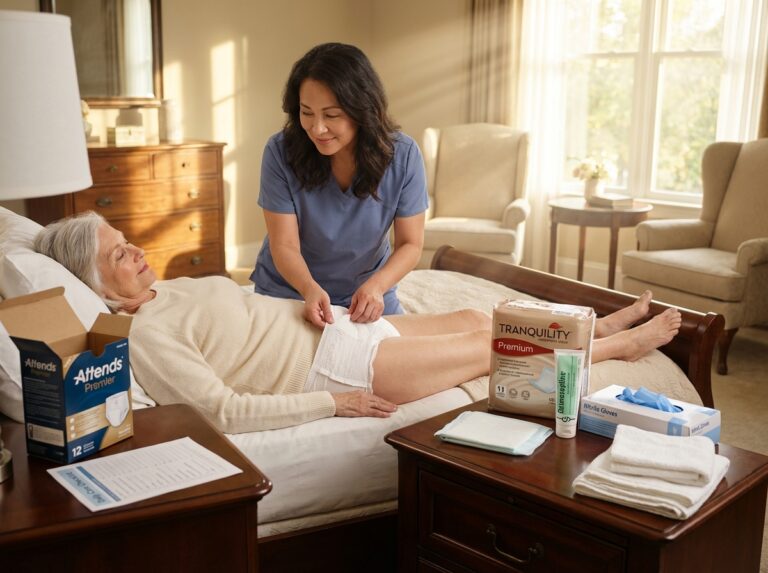
Many family caregivers consider female external catheters such as PureWick when managing urine incontinence for bedbound seniors. This article examines how the device works, clinical benefits and risks, real-world costs and insurance realities in the U.S., practical alternatives, and actionable steps caregivers can use to decide whether PureWick or another approach is worth the investment and peace of mind.
What female external catheters are and how PureWick works
When you’re caring for a woman who is bedbound, managing urinary incontinence can feel like a constant battle against wetness, skin irritation, and endless laundry. While absorbent briefs and pads are the go-to solution for many, a different type of tool has become more common in both hospitals and homes. These are known as female external urinary catheters. Think of them not as a catheter in the traditional sense, but as an external system designed to wick urine away from the body the moment it’s released, helping to keep the skin dry. The most well-known brand in this category is the PureWick™ System, which is what we’ll focus on to understand how these devices work.
The system itself consists of a few key parts that work together. First is the part that touches the body, a soft, disposable pad often called a “wick.” This flexible pad is designed to be gently tucked between the labia and against the perineum, which is the area between the urethra and the rectum. This wick is connected to a long, flexible tube. The tube then leads to a collection canister, similar to what you might see with other medical suction devices. Finally, the canister connects to a small, quiet pump that sits at the bedside or comes in a portable version. This pump provides very gentle, low-pressure suction. It’s not a powerful vacuum; it’s just enough of a steady, quiet pull to draw fluid through the system.
The way it works is straightforward. When the woman urinates, the soft, fabric-like wick immediately absorbs the urine. The gentle suction from the pump then pulls that urine from the wick, through the tubing, and into the sealed collection canister. The entire process happens outside the body. The goal is to catch the urine before it ever has a chance to soak into a brief, irritate the skin, or saturate the bed linens. This mechanism is what makes it different from other catheter types. It’s completely noninvasive. Unlike an indwelling Foley catheter, nothing is inserted into the urethra or bladder. And unlike a male external “condom” catheter that can be rolled on and uses gravity, the female anatomy requires this unique wicking and suction approach to effectively collect urine externally.
So, what is the main purpose of using a system like this? For caregivers, the goals are very practical. The primary aim is to keep your loved one’s skin dry to prevent moisture-associated skin damage, which can range from simple rashes to painful pressure injuries. It also dramatically reduces the number of times you need to perform heavy lifting for cleanups and full bed changes, especially overnight. This can improve comfort and allow for more uninterrupted sleep for both of you. For clinical tracking, the canister allows you to measure urine output, which can be important information for doctors. Most importantly, for women who might otherwise need an indwelling catheter, an external system offers a way to manage incontinence without the high risk of catheter-associated urinary tract infections (CAUTIs). Many of these external collection systems are regulated medical devices that have received FDA clearance for these uses.
However, a female external catheter isn’t the right solution for everyone. It works best for a specific type of patient.
PureWick is most appropriate for a woman who:
Is largely immobile and spends most of her time lying on her back or slightly turned to one side. The device works best when the pad can stay in a stable position. She should have intact skin in the perineal area, without open sores or wounds where the pad needs to sit. It is also most effective for women who have only urinary incontinence, with infrequent or predictable bowel movements, as fecal matter can soil the wick and disrupt its function.
It is less suitable in certain scenarios, such as:
For women who are ambulatory or can get out of bed to use the toilet or a commode. The device is not designed for walking around. It is also challenging for those with frequent, uncontained bowel incontinence, as the wick will need to be changed immediately each time it is soiled, which can become costly and impractical. If a woman experiences very large, sudden gushes of urine, the system might not be able to pull the fluid away fast enough to prevent leakage. Finally, if there is significant skin breakdown or irritation in the perineal area, placing the device there could make it worse.
Clinical benefits evidence and safety considerations
When you’re deciding whether a device like the PureWick system is right for your loved one, the clinical reasons for using it are just as important as the cost. The primary goal is to manage urinary incontinence in a way that protects health, improves comfort, and makes your caregiving tasks more manageable. Let’s break down the expected benefits, the evidence behind them, and the critical safety steps you need to follow.
The main clinical argument for using a female external catheter is skin protection. Constant exposure to urine creates a moist environment that can lead to moisture-associated skin damage (MASD), a painful condition that looks like a severe rash or burn. By wicking urine away from the body immediately, these systems help keep the skin dry, which is the first line of defense against breakdown. This directly translates into a major practical benefit for you as a caregiver. Fewer emergency diaper and linen changes mean less physical strain from lifting and turning, especially during the night. Many caregivers find this leads to better sleep for both them and their loved one. Perhaps the most significant clinical advantage is the ability to avoid or remove an indwelling catheter, often called a Foley. Foleys are tubes inserted into the bladder that, while effective, carry a high risk of causing catheter-associated urinary tract infections (CAUTIs). These infections can be serious, especially in older adults. External catheters are non-invasive, so they dramatically lower this risk. Finally, there’s the matter of dignity. Waking up in a dry, clean bed can have a profound positive impact on a person’s sense of well-being and self-respect.
When we look at the formal evidence, it’s important to be realistic. The body of research for female external catheters is not as extensive as it is for male external (condom) catheters. Much of the data comes from quality improvement studies within hospitals rather than large-scale randomized controlled trials. However, the findings are consistent on one key point. Facilities that implement protocols using devices like PureWick see a significant reduction in the use of indwelling catheters. This aligns perfectly with guidance from infection control experts, who universally recommend avoiding Foleys whenever possible. While the direct impact on reducing UTIs is still being studied, reducing the primary cause of CAUTIs is a major step in the right direction.
Of course, no device is without potential downsides. It’s crucial to be aware of common adverse events so you can watch for them.
- Skin Irritation: Redness or chafing can occur where the wick pad touches the skin, either from the material itself or from moisture if there’s a leak.
- Pressure Marks or Bruising: If the device is not positioned correctly or if the suction is too high (though the pumps are low-pressure), it can cause marks on the delicate skin of the perineum.
- Leakage: A poor seal is the most common cause of leaks. This can happen if the pad is misplaced, if your loved one moves frequently, or if there is contamination from stool, which breaks the seal.
- Device Failures: Though rare, pumps can malfunction, tubing can become disconnected, or canisters can fill unexpectedly, leading to alarms or loss of suction.
Proper monitoring is the key to preventing these issues and ensuring the device is helping, not harming. You need to integrate checks into your daily routine. This includes regular skin inspections every time you reposition your loved one, paying close attention to the areas in contact with the pad. Look for any new redness, sores, or bruising. Also, keep an eye on the urine in the canister. Note its color and odor. Cloudy, dark, or foul-smelling urine can be a sign of a urinary tract infection and warrants a call to the doctor. Remember that while the canister can give you a rough estimate of urine output, it’s not perfectly accurate due to potential small leaks or retention in the tubing.
To use the system safely and effectively, follow these practical steps.
Check and Change the Wick Pad Regularly
The disposable wick should be changed every 8 to 12 hours, or immediately if it becomes soiled with stool or blood. This schedule prevents bacteria from building up and reduces the risk of skin irritation.
Clean and Maintain the Unit
The collection canister should be emptied and cleaned at least once a day according to the manufacturer’s instructions. This helps control odor and prevent bacterial growth. Regularly inspect the tubing to make sure it isn’t kinked or twisted, which would block the suction.
Know When to Stop and Call a Clinician
Contact your regular clinician or home health nurse for issues such as any new skin redness, rash, or breakdown that doesn’t resolve after repositioning the pad; persistent leakage that you cannot solve with troubleshooting; or signs of a possible UTI, such as cloudy or foul-smelling urine, especially if accompanied by new confusion or discomfort. You should go to an urgent care center or the emergency room for serious UTI symptoms like a fever, chills, back pain, or a sudden, significant change in mental status like lethargy or delirium.
Integrate with Overall Care Protocols
Using an external catheter does not replace other essential care. Continue to reposition your loved one every two hours to prevent pressure injuries. When cleaning the perineal area during a pad change, use a gentle cleanser and apply a barrier cream to the surrounding skin, but avoid putting it on the area where the wick makes direct contact, as this can interfere with its function.
Cost practicalities insurance coverage and alternatives
When you first hear about a device like the PureWick system, the potential benefits sound amazing. Less laundry, drier skin, better sleep. But then comes the inevitable question that stops many of us in our tracks, how much does it cost, and can we actually afford it? Let’s break down the financial side of things so you can make a clear-headed decision for your family.
The costs for a female external catheter system can be split into two parts, the one-time purchase of the equipment and the ongoing expense of disposable supplies.
- Upfront Cost
The main initial expense is the suction unit or pump. A starter kit, which typically includes the bedside pump and an initial supply of 30 disposable wicks, often retails for around $600 to $625. This is a significant one-time investment. Some durable medical equipment (DME) suppliers may offer rental options, which can lower this initial barrier. - Ongoing Supply Costs
The recurring cost is for the disposable wick pads. A box of 30 pads generally costs about $209 out-of-pocket, which works out to roughly $7.00 per pad. Since each pad is designed for 8 to 12 hours of use, your monthly expenses will depend on how often you change them.- Changing every 12 hours (twice a day) would require about 60 pads per month, costing around $420.
- Changing every 8 hours (three times a day) would require about 90 pads per month, costing around $630.
You can purchase these systems directly from the manufacturer’s website, like PureWick at Home, or through medical supply distributors, local DME suppliers, and major online retailers.
Navigating Insurance and Reimbursement
The high monthly cost can be daunting, but insurance coverage can change the entire equation. The good news is that as of 2024, Medicare Part B began covering the PureWick system under its Durable Medical Equipment benefit. This means that after the annual Part B deductible is met, Medicare typically covers 80% of the cost, with the beneficiary responsible for the remaining 20% coinsurance. This can reduce a $420 monthly expense to a more manageable $84.
Private insurance plans vary widely. Some may follow Medicare’s lead and cover the system as DME, while others might classify the disposable wicks as non-covered supplies. You must verify your specific plan’s coverage.
Here is a step-by-step checklist to seek coverage:
- Get a Clinician’s Order. Ask your loved one’s doctor for a prescription or a detailed letter of medical necessity. This letter should explain why the device is essential, citing issues like risk of skin breakdown, history of incontinence-associated dermatitis (IAD), or the need to avoid an indwelling catheter.
- Collect Supplier Documentation. Work with a DME supplier. They are experts in this process and can provide a formal quote with the correct product names and billing codes (HCPCS codes) that the insurer needs.
- Call for Prior Authorization. Contact the insurance company with the doctor’s order and the supplier’s quote in hand. Ask them directly if the device and supplies are covered and what steps are needed for prior authorization. Document who you spoke to, the date, and what they said.
- Save Everything. Keep copies of all prescriptions, letters, quotes, receipts, and notes from phone calls. If your claim is denied, this documentation will be crucial for filing an appeal. A short-term log (e.g., 24-72 hours) documenting incontinence events before using the device versus the dryness achieved with it can also provide powerful evidence to justify medical necessity.
Comparing Costs and Tradeoffs with Alternatives
To decide if the cost is “worth it,” you have to compare it to what you’re doing now.
Adult Briefs and Underpads
Cost: Varies by brand, but a month’s supply can range from $90 to over $200. Add in the cost of extra laundry detergent, barrier creams, and disposable wipes. Tradeoffs: While cheaper, briefs trap moisture directly against the skin, increasing the risk of painful skin breakdown. The labor involved in frequent changes and cleaning can be exhausting and disrupt everyone’s sleep.
Indwelling (Foley) Catheters
Cost: The initial supply cost is low, around $10 to $30 for an insertion kit. Tradeoffs: This is the most significant tradeoff. Foleys come with a high risk of catheter-associated urinary tract infections (CAUTIs), which are dangerous, can lead to hospitalization, and are a major concern in senior care. They also require a nurse for insertion and management.
Intermittent Catheterization
Cost: Each sterile catheter can cost $2 to $8. If performed 4-6 times a day, monthly costs can easily exceed that of an external system. Tradeoffs: This method requires specific training, a rigid schedule, and carries its own risk of infection if sterile technique is not perfectly maintained.
Strategies for Low-Budget Households
If insurance coverage isn’t an option and the out-of-pocket cost is too high, you still have choices.
- Ask DME suppliers about renting a pump to avoid the large upfront purchase.
- Talk to a hospital social worker or case manager. They are often aware of local aid programs, charities, or foundations that can help with medical supply costs.
- Consider a hybrid approach. Using the external catheter only at night can protect skin during the longest stretch, preserve sleep, and cut your monthly pad usage in half. You could then use high-quality briefs during the day.
- In some cases, sticking with premium absorbent briefs combined with a strict schedule of changes and meticulous skin care using barrier creams may be the most realistic option. It requires more labor but can be clinically effective if done diligently.
Frequently Asked Questions
When you’re in the thick of daily care, questions pop up constantly. Here are concise, practical answers to the most common questions caregivers have about using the PureWick system at home.
Is PureWick safe for seniors with fragile skin and thin tissue?
Generally, yes. The system is designed to be non-invasive and uses low-pressure suction to gently pull moisture away from the skin. This can be much better than leaving skin in contact with a wet brief. However, all skin is different, especially when it’s fragile. The key is diligent monitoring. Improper placement or leaving a pad on for too long could potentially cause redness or pressure marks. Check the skin thoroughly at every pad change. Quick Tip: If you notice any redness, irritation, or breakdown, take a clear, well-lit photo with your phone. Documenting the issue with a date and time makes it much easier to discuss with a nurse or doctor.
How often must the wick pad be changed?
The standard guideline is to change the external wick every 8 to 12 hours. This schedule helps maintain hygiene and skin integrity. However, this is not a strict rule. You must change it immediately if it becomes soiled with stool or blood. Leaving a contaminated pad in place significantly increases the risk of skin breakdown and infection. Quick Tip: Keep a simple log on a notepad or in your phone, noting the date and time of each pad change. This helps you track usage for reordering supplies and provides a clear record of care for clinicians.
Can PureWick replace a Foley catheter completely for a bedbound senior?
It depends on the reason for the catheter. PureWick is an external collection system for incontinence; it wicks away urine after it has been passed. An indwelling Foley catheter is an internal drainage system used to empty the bladder, often for urinary retention (when the person cannot empty their bladder on their own). PureWick cannot help with retention. However, if a Foley was placed primarily to manage incontinence and protect skin, PureWick can be an excellent alternative that avoids the risks of an internal catheter.
Will PureWick reduce urinary tract infections (UTIs)?
It can significantly lower the risk of one specific, dangerous type of infection: Catheter-Associated Urinary Tract Infections (CAUTIs). These infections are a major risk with indwelling Foley catheters. By providing an alternative to a Foley, the PureWick system helps avoid that specific risk. It does not prevent all UTIs, but keeping the perineal area drier and cleaner can contribute to better overall hygiene and potentially reduce the risk of external bacteria causing an infection.
How do I measure urine output accurately when using the system?
The collection canister has measurement markings, but it provides an estimate, not a precise medical measurement. Leaks can occur, and some urine may be absorbed by the wick itself. For accurate tracking, empty the canister at the same time each day and record the volume. In your log, also note any instances of leakage or pad saturation that might not have made it to the canister. This combined information gives clinicians a more complete picture of your loved one’s output.
What are common troubleshooting tips for leakage, odor, or pump alarms?
- Leakage: This is usually a placement issue. Ensure the wick is positioned snugly between the labia and against the perineum. Check that tubing is not kinked or being pulled, especially after repositioning your loved one.
- Odor: Empty and rinse the collection canister at least once every 24 hours. Soaking it with a solution of white vinegar and water can help eliminate persistent odors. Ensure all connections are tight.
- Pump Alarms: An alarm usually means suction is blocked. First, check if the canister is full. If not, inspect the entire length of the tubing for kinks or blockages. Finally, check that the wick itself hasn’t become completely saturated or clogged, preventing airflow.
Can the device be used for elders with dementia or agitation?
This is highly individual. If the person is prone to pulling at clothing, tubes, or dressings, they may dislodge the wick, leading to leaks and frustration. The device may work well for a person with dementia who is calm and rests comfortably. The only way to know is to try it during a period of close supervision. If they continuously pull at it, it may not be a suitable solution.
Final recommendations practical trial plan and caregiver checklist
Deciding to try a new piece of equipment like the PureWick system can feel like a big step. You’ve weighed the pros and cons, and now it’s time to figure out if it will actually work for your loved one and your family’s routine. The best way to know for sure is to run a structured, short-term trial at home. This plan will walk you through how to do just that, giving you clear data to make a confident decision.
Your Pre-Trial Checklist
Before you even order supplies, run through this quick check. The PureWick system is a great tool, but it works best in specific situations. See if this describes your loved one:
- Is she mostly bedbound or chairbound? The device is designed for women who are not moving around a lot.
- Is the skin in the perineal area (where the wick sits) healthy? It should be free of open sores, wounds, or severe rashes. Existing redness from moisture is okay; that’s what you’re trying to fix.
- Is bowel incontinence manageable? The system is for urine only. If frequent, unpredictable bowel movements are an issue, the wick will become soiled constantly, making it ineffective and costly. Occasional or predictable bowel movements can be worked around.
- Are you, the caregiver, able to check on the device? You’ll need to be able to monitor the system, check the skin, and change the wick every 8 to 12 hours or when soiled.
If you answered yes to these, a trial is a reasonable next step.
A Practical 7 to 14-Day Trial Plan
Think of this as a science experiment where the goal is to see if this device makes life better. A one to two-week trial gives you enough time to get past the initial learning curve and see the real benefits. Here’s how to do it:
- Document Your “Before” State. For two days before you start, keep a simple log. Note how many times you change incontinence briefs, how many times you have to change bed linens due to wetness, and take a clear, well-lit photo of the skin in the perineal area (with a coin for scale). This baseline is your proof of what life was like before the trial.
- Get Your Supplies. You will need the suction pump, a collection canister, tubing, and enough disposable wicks for your trial. Plan on using two to three wicks per 24-hour period. For a 7-day trial, you’ll want at least 15 to 20 wicks on hand. A box of 30 wicks costs around $209 out-of-pocket, so a trial helps you see if the investment is worthwhile.
- Learn the Ropes. Watch instructional videos from the manufacturer, like those on the PureWick at Home website. Pay close attention to placement. The wick should be gently tucked between the labia and buttocks. Set the suction to the recommended low, continuous setting.
- The First 48 Hours are Key. For the first two days, plan to check the wick and your loved one’s skin every 2 to 4 hours. This helps you catch any placement issues, leaks, or signs of skin irritation right away. It feels like a lot, but this initial effort ensures you’re using it correctly and safely.
- Track Your Progress. Continue your log throughout the trial. Each day, record the number of wicks used, any instances of leakage, the amount of urine in the canister (it’s an estimate, but still useful), and most importantly, your observations. Note things like “skin is much drier today” or “Mom slept for 6 hours straight without needing a change.” Also, track your time. Are you spending less time on laundry and cleanups?
How to Know if the Trial Was a Success
After the trial period, look at your notes and answer these questions. A successful trial doesn’t have to be perfect, but you should see clear improvements.
- Is her skin visibly drier and less irritated than in your “before” photo?
- Did the number of full bed linen changes decrease significantly?
- Did you use fewer incontinence briefs, especially at night?
- Did this help you avoid considering or using an indwelling Foley catheter?
- Did your loved one seem more comfortable or sleep better?
- Did you, the caregiver, feel less burdened by laundry and constant cleanups?
Tips for Long-Term Use and Documentation
If the trial is a success, here is how to manage the system going forward and keep your records in order for doctors and insurance.
Your Documentation Toolkit:
Keep a folder with the physician’s order, your trial log, receipts for all supplies, and the before-and-after photos of the skin. This is your evidence package to justify medical necessity for insurance, including Medicare Part B, which now covers the system.
Safe Long-Term Habits:
- Cleaning. Empty and rinse the collection canister at least once a day with soap and water to prevent odors and bacteria.
- Storage. Keep your extra wicks in a clean, dry place, away from humidity.
- Managing Odors. A clean canister is the best defense. Some caregivers add a special deodorizing liquid, but daily cleaning is usually enough.
- Taking a Break. The system is a tool, not a permanent fixture. If your loved one has a bout of diarrhea, it is perfectly fine to switch back to briefs for a day or two until it resolves.
- When to Call for Help. Consult your primary care doctor, urologist, or a wound care nurse if you notice skin breakdown that isn’t improving, signs of a urinary tract infection (cloudy or foul-smelling urine, fever), or if the device repeatedly fails to keep her dry.
Getting the Doctor’s Order
You will need a prescription to get the PureWick system covered by insurance. When you speak with the doctor, be prepared. You can use a script like this to make your request clear and effective.
"Hello Dr. [Name], I am calling about my mother, [Patient's Name]. We are managing her total urinary incontinence at home while she is bedbound. We are changing wet briefs and linens multiple times a day, and I am concerned about moisture-related skin breakdown.

To maintain her skin integrity and improve her comfort, I would like to request a physician's order for a female external urinary collection system, specifically the PureWick system. This is a non-invasive alternative to an indwelling catheter. We need an order for the durable medical equipment pump and the disposable monthly supplies. Can you please help us with this prescription and any documentation needed for prior authorization?"
References
- Does Medicare Cover PureWick External Catheters? – Healthline — According to the manufacturing website, one box of 30 catheters costs about $209 out of pocket without insurance, though you can save some money …
- The BD PureWick™ System – Official Site — #1. PureWickTM is the #1 external catheter brand used in hospitals Based on US Medical Supply Distribution Data as of 06/2025. · 55 million+. PureWickTM …
- BD Expands PureWick™ Portfolio with First-of-its-Kind Portable … — By working in close collaboration with customers, BD can help enhance outcomes, lower costs, increase efficiency, improve safety, and expand …
- Are You Prepared to Assist Patients Desiring PureWick External … — The external catheter component is available on the BD site for $209/ #30 flex external female catheters. Each catheter can be used for 8-12 hours but needs to …
- [PDF] Evaluation of an External Urinary Device Protocol and Practices in … — A cost review performed on the burden of HAPIs in the US estimated that approximately 26.8 billion dollars could be spent on HAPIs annually across the nation, …
- U.S. External Catheter Market Size | Industry Report, 2033 — The U.S. external catheter market size was valued at USD 1,134.90 million in 2024 and is projected to reach USD 2,021.03 million by 2033, growing at a CAGR …
- Assessing the value of PureWick™ System for the … – Cergas — A CEA model will be integrated in the BIA model to assess the cost-effectiveness of PureWick System compared to indwelling catheters and pads/diapers.
Legal Disclaimers & Brand Notices
Medical Disclaimer: The information contained in this article is for general informational purposes only and is not intended to be a substitute for professional medical advice, diagnosis, or treatment. Always seek the advice of a qualified healthcare provider, such as a physician or registered nurse, with any questions you may have regarding a medical condition, the use of a medical device, or before making any changes to a patient’s care plan. Never disregard professional medical advice or delay in seeking it because of something you have read in this article.
Trademark Acknowledgement: All product names, logos, and brands mentioned, including but not limited to PureWick™ and BD (Becton, Dickinson and Company), are trademarks or registered trademarks of their respective owners. Use of these names, trademarks, and brands does not imply endorsement, affiliation, or sponsorship by the trademark holders.