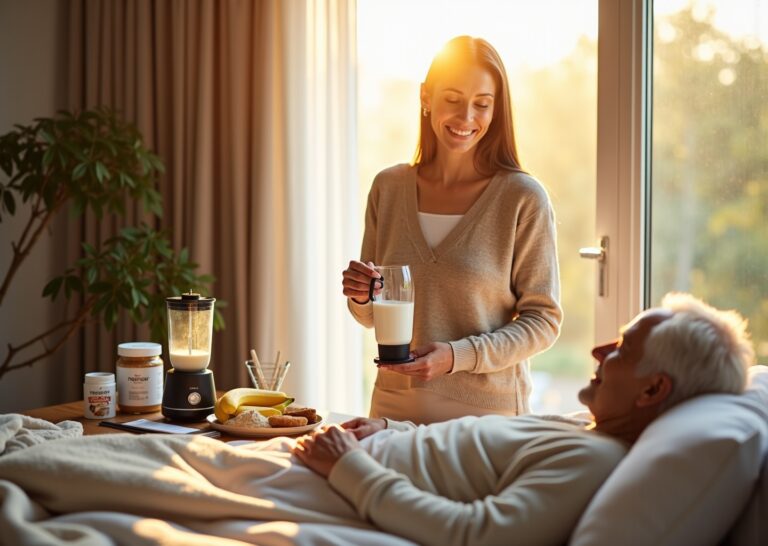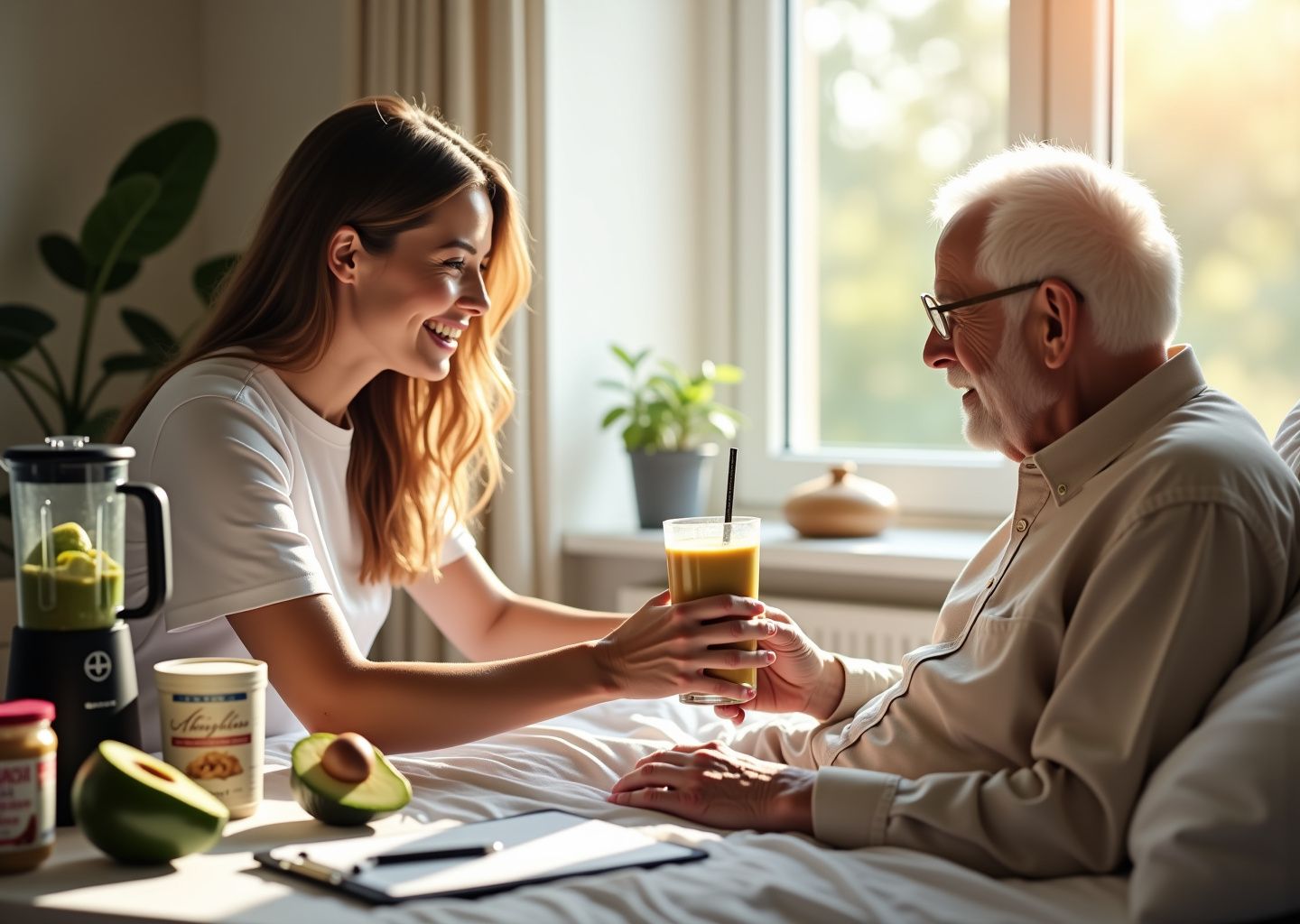
Unintentional weight loss is common in bedbound seniors and worsens outcomes. This article explains why high-calorie, nutrient-dense smoothies are a practical bedside tool for family caregivers. You will learn assessment basics, safe preparation and texture modification, sample recipes with calorie and protein counts, monitoring routines, and clear checklists to support nutritional recovery at home.
Why high-calorie nutrition matters at the bedside
Unintentional weight loss in bedbound seniors is a quiet crisis that often unfolds right under a caregiver’s nose. When an older adult stays in bed for long periods, their body undergoes rapid changes. Losing weight is not just about a change in appearance. It represents a loss of vital resources the body needs to survive. For a senior at home, every pound lost is often a pound of muscle rather than fat. This process can lead to a cycle of weakness that makes recovery from illness almost impossible. High calorie smoothies serve as a practical tool to stop this decline. They provide a concentrated source of energy that is easier to consume than a full plate of solid food.
Common Causes of Weight Loss
Several factors contribute to why seniors stop eating enough. Poor appetite is a frequent issue. It can stem from a reduced sense of smell or taste. Illness often plays a role. Chronic conditions like heart failure or lung disease increase the amount of energy the body burns just to function. Dysphagia, which is the medical term for swallowing difficulty, makes eating a chore. It can even make eating feel dangerous. Depression is another major factor. When a senior feels isolated or loses their independence, their drive to eat often vanishes. Polypharmacy is a significant concern in the United States. Many seniors take multiple medications. These drugs can cause nausea. They can leave a metallic taste in the mouth. They can also cause extreme fatigue that makes the act of chewing too exhausting.
Clinical Risks of Malnutrition
The risks of malnutrition go far beyond simple tiredness. One of the most immediate dangers for a bedbound senior is the development of pressure injuries. Without enough protein and calories, the skin becomes thin. The padding between the bone and the mattress disappears. Wounds cannot heal because the body lacks the building blocks to repair tissue. Infections are another major risk. A malnourished immune system cannot fight off common bugs. This often leads to urinary tract infections or pneumonia. Falls are a risk even for those who are mostly bedbound. When they do try to move, their muscles are too weak to support them. This leads to fractures and further hospitalization. Recovery from any medical event is delayed when the body is in a state of starvation.
Goals of Bedside Nutrition
The primary goal of bedside nutrition is to maintain lean muscle mass. Muscle is the engine of the body. It supports metabolic health and physical strength. We also aim to support immune function. A well nourished body has a better chance of resisting infection. Preserving energy levels is also vital. It allows the senior to participate in basic activities like sitting up or engaging in conversation. These small actions improve quality of life and mental health.
Recommended Calorie and Protein Targets
Registered dietitians use specific ranges to help undernourished older adults regain their health. These targets are based on the individual’s weight in kilograms. You can find your senior’s weight in kilograms by dividing their weight in pounds by 2.2. The following table outlines standard targets used in geriatric care.
| Nutritional Component | Daily Target Range |
|---|---|
| Baseline Calories | 25 to 35 kcal per kg of body weight |
| Standard Protein | 1.0 to 1.5 g per kg of body weight |
| Rehabilitation Protein | 1.2 to 2.0 g per kg of body weight |
Fortified smoothies are an excellent way to meet these high targets. A single smoothie can be packed with 300 to 500 calories. It can also contain 20 to 30 grams of protein. This is much easier for a senior with a small appetite to finish compared to a large meal of meat and vegetables. You should always consult with the senior’s clinician to set individualized targets. Some conditions like kidney disease require lower protein levels.
Screening and Assessment Tools
Caregivers can use simple tools to monitor nutritional status. The Mini Nutritional Assessment (MNA) short form is a gold standard. It asks about food intake and recent weight loss. The Malnutrition Universal Screening Tool (MUST) is another option. You should keep a detailed weight history. Weigh the senior once a week at the same time of day. Use a consistent scale. If you see a downward trend, it is time to act. You can find more information on best nutritional drinks for seniors in 2025 to see how commercial options compare to your home screening results.
Red Flags for Professional Referral
Some situations require immediate medical attention. You must call a doctor if you notice rapid weight loss. This is defined as losing more than 5 percent of total body weight in one month. It also includes losing more than 10 percent in six months. Signs of dehydration are also red flags. Look for a very dry mouth or dark, concentrated urine. Aspiration events are critical. If the senior coughs, chokes, or has a wet sounding voice after swallowing, they need an evaluation. An unexplained fever can also signal an underlying infection related to malnutrition.
Dysphagia and Aspiration Risk
Swallowing disorders change how you must prepare food. Dysphagia is common after a stroke or with advanced dementia. If a senior has trouble swallowing, thin liquids like water or regular juice can slip into the airway. This causes aspiration pneumonia. A speech-language pathologist (SLP) is the expert who determines what texture is safe. They may recommend thickening smoothies to a specific consistency. Some seniors need a nectar-thick or honey-thick liquid. In some cases, smoothies might be avoided entirely if the risk of choking is too high. Never change the thickness of a senior’s drinks without a professional recommendation. You can find recipes for different needs in the UCSF high-calorie shakes and smoothies manual which offers various texture ideas.
Smoothies vs. Commercial Supplements
Commercial oral nutritional supplements like Ensure or Boost are convenient. They are shelf stable and have a precise balance of vitamins. However, they can be expensive. Some seniors do not like the metallic aftertaste. Homemade smoothies offer more flexibility. You can use fresh fruits and healthy fats like avocado. You can also control the sugar content. This is helpful for seniors with diabetes. Homemade options often taste better and feel more like real food.
Can Smoothies Replace Full Meals?
Smoothies work best as supplements between meals rather than total replacements. Most seniors still benefit from the psychological and physical act of eating solid food if they are able. However, if a senior is refusing all solid food, a well-balanced smoothie can act as a meal replacement. In these cases, the drink must contain a balance of proteins, healthy fats, and carbohydrates. It should also include fiber from sources like blended oats or berries to maintain gut health. If you are using smoothies as the primary source of nutrition, you must work with a registered dietitian to ensure all micronutrient needs are met.
If a senior cannot consume enough calories orally, a doctor may suggest enteral feeding. This involves a tube that delivers nutrition directly to the stomach. This is usually a last resort when oral intake fails despite your best efforts. You should escalate to a dietitian or home health service if the senior continues to lose weight while using smoothies.
Practical smoothie recipes preparation and bedside routines
Making high calorie smoothies at the bedside requires a shift from standard kitchen habits to a more clinical focus on safety and density. When a senior is bedbound, every sip must count toward their daily energy goals. You are looking to pack between 300 and 500 calories into a small 8 to 12 ounce serving. This prevents the senior from feeling overwhelmed by large volumes while ensuring they get the protein needed to maintain muscle mass. Using a portable blender or a single serve machine makes this process easier to manage right in the room or in a nearby kitchen area.
Tested Recipe Templates for Weight Gain
The following recipes are designed to be nutrient dense and easy to consume. Each makes one serving of approximately 8 to 12 ounces.
| Recipe Name | Main Ingredients | Estimated Calories | Estimated Protein |
|---|---|---|---|
| Classic Dairy Power | 1 cup whole milk, 1/2 cup full fat Greek yogurt, 2 tbsp peanut butter, 1/2 cup oats | 550 kcal | 26g |
| Lactose Free Silken | 1 cup soy milk, 4 oz silken tofu, 1 tbsp almond butter, 1 small banana | 420 kcal | 22g |
| Diabetic Friendly Green | 1 cup unsweetened almond milk, 1 scoop whey protein, 1/2 avocado, 1 cup spinach | 360 kcal | 28g |
| Renal Conscious Blend | 1 cup rice milk, 1/2 cup cooked white rice, 1/2 cup blueberries, 1 tbsp MCT oil | 390 kcal | 4g |
| Vegan Nut Butter | 1 cup full fat coconut milk, 2 tbsp pea protein powder, 1 tbsp hemp seeds | 480 kcal | 20g |
| Fortified Thickened | 1 cup whole milk, 1/4 cup dry milk powder, 1 tbsp honey, commercial thickener | 320 kcal | 16g |
Preparation Steps
Start by adding the liquid base to the blender to prevent the blades from getting stuck. Add the protein powders or dry ingredients next. Finish with the heavier items like frozen fruit, nut butters, or avocado. Blend on high until the mixture is completely smooth with no visible chunks. If the senior has any trouble swallowing, you may need to strain the smoothie through a fine mesh sieve to remove seeds or oat particles. This ensures a consistent texture that meets safety standards.
Calorie and Power Boosters
You can easily increase the energy density of any smoothie with simple additions. Adding one tablespoon of MCT oil or olive oil contributes about 130 calories without changing the flavor much. A quarter cup of dry milk powder adds 100 calories and 8 grams of protein to dairy based drinks. For those who enjoy a creamy texture, half an avocado adds 120 calories and healthy fats. Full fat coconut milk is another excellent option, providing over 200 calories per half cup. Always check for allergies before adding nut butters or soy products. If a senior is allergic to peanuts, sunflower seed butter is a safe high calorie alternative.
To keep the volume low but the protein high, use concentrated boosters. One scoop of whey or pea protein powder can add 20 to 30 grams of protein to a small 8 ounce drink. Silken tofu is another excellent option because it blends into a creamy consistency and has a neutral flavor. These additions allow you to create a nutrient dense “power shot” rather than a large shake. The following table highlights common boosters:
| Ingredient | Approximate Calories | Protein Content |
|---|---|---|
| Whole Milk (1 cup) | 150 kcal | 8g |
| Full Fat Greek Yogurt (6 oz) | 200 kcal | 15g |
| Peanut Butter (2 tbsp) | 200 kcal | 8g |
| MCT Oil (1 tbsp) | 130 kcal | 0g |
| Whey Protein Powder (1 scoop) | 120 kcal | 25g |
| Silken Tofu (4 oz) | 150 kcal | 10g |
Using Commercial Modular Ingredients
Modular ingredients are concentrated sources of a single nutrient. Whey protein and casein are the most common protein modules. Whey absorbs quickly, making it good for daytime use. Casein digests slowly, which is helpful for a late evening snack to prevent muscle breakdown overnight. Carbohydrate powders like maltodextrin add calories without making the drink too sweet. MCT oil is a fat module that the body absorbs easily for quick energy.
Calculating the nutritional value is simple arithmetic. Look at the “Supplement Facts” label on the container. If one scoop of protein powder has 25 grams of protein and 120 calories, and you add two tablespoons of peanut butter at 100 calories each, your base is already at 320 calories before adding milk. Keep a small notebook at the bedside to track these numbers. This helps you ensure the senior reaches the 25 to 35 kcal/kg/day target often recommended by dietitians for weight regain.
Safe Bedside Feeding Routines
Safety during feeding is the highest priority for bedbound seniors. Never offer a smoothie while the senior is lying flat. This significantly increases the risk of aspiration, where liquid enters the lungs. Raise the head of the bed to at least 30 to 60 degrees. An angle of 45 degrees is usually ideal for most seniors. Keep them in this upright position for at least 30 minutes after they finish eating to help with digestion and prevent reflux.
Pacing and Tools
Use short, wide straws if the senior has enough suction strength. If they struggle with straws, use a small spoon to control the sip size. Offer small amounts at a time and wait for them to swallow completely before offering more. Watch for signs of fatigue. If the senior starts to breathe heavily or loses interest, stop the feeding and try again later. Smaller, more frequent servings are often better than one large smoothie. You can offer 4 ounces every few hours to meet calorie goals without causing discomfort.
Combating Appetite Fatigue
Appetite fatigue is common when a senior drinks the same flavor every day. Rotate between sweet and savory options to keep them interested. You might try a berry blend one day and a carrot or ginger based drink the next. Using high quality ingredients like vanilla bean paste or cocoa powder can make the drink feel more like a treat. Temperature also matters. Some seniors prefer their drinks very cold while others find room temperature easier to swallow. You can find more ideas on protein smoothie recipes that focus on both flavor and nutrition.
Texture Modification for Dysphagia
If the senior has a diagnosed swallowing disorder, you must follow the IDDSI framework for thickness. This system uses levels to ensure the liquid is safe. A level 2 drink is mildly thick and flows off a spoon. A level 3 drink is moderately thick and can be eaten with a spoon or drunk from a cup. Level 4 is extremely thick and holds its shape on a spoon. You can find more details on Best Nutritional Drinks for Seniors in 2025 regarding pre-thickened options.
Testing Viscosity
You can test the thickness at home using the fork drip test. Dip a fork into the smoothie and lift it up. A level 3 liquid will slowly drip through the tines in strands. If it flows through quickly like water, it is too thin. You can also use the spoon flow test. Tilt a spoonful of the smoothie. It should slide off in a cohesive mass rather than running off like juice. Use commercial thickeners specifically designed for seniors, as these are often tasteless and do not clump. Always consult a speech language pathologist before changing the thickness of a senior’s diet.
Food Safety and Storage
Seniors have weaker immune systems, so food safety is critical. Always wash your hands before preparing any food. Clean the blender equipment thoroughly after every use. Use hot, soapy water and ensure the blades are free of any residue. If you are prepping batches in advance, pour the smoothies into single serving containers with tight lids. Label each container with the date and time it was made.
Storage Limits
Refrigerate smoothies immediately at a temperature below 40°F. Use any refrigerated smoothie within 24 to 48 hours. Do not leave a smoothie sitting at the bedside for more than one hour. If the senior does not finish it, put it back in the fridge or discard it. Never reheat a smoothie that contains probiotics or certain protein powders, as heat can change the texture and nutritional value. Avoid using raw eggs in any recipe unless they are specifically labeled as pasteurized to prevent salmonella risk.
Medication and Health Monitoring
Be careful with the timing of high calorie smoothies and medications. Some drugs require an empty stomach to work correctly. Giving a large, nutrient dense smoothie right before these meds can interfere with absorption. Avoid using grapefruit or grapefruit juice in smoothies if the senior takes certain blood pressure or cholesterol medications. It is also important to check with a doctor before blending pills into a smoothie. Some medications lose their effectiveness when crushed or mixed with dairy.
For seniors with diabetes, energy dense smoothies can cause spikes in blood glucose. Monitor their levels closely when you start a new smoothie routine. You should focus on high protein and healthy fats rather than fruit sugars or honey. Use bases like unsweetened soy milk or Greek yogurt instead of orange juice. Berries are better than bananas because they have a lower glycemic index. If you notice persistent weight loss despite these efforts, or if the senior starts coughing during feeds, contact a healthcare professional immediately. You can find additional recipe ideas in the ILD Nutrition Manual for high calorie shakes. Regular monitoring of weight and intake will help you adjust the recipes to meet the senior’s specific needs as they work toward regaining their strength.
Caregiver checklist next steps and monitoring plan
Implementing a high-calorie smoothie plan requires more than just a good blender. It involves a disciplined bedside routine to ensure every ounce of nutrition is swallowed safely. Success at home depends on consistency and careful observation. You are managing a clinical need in a home environment, so your approach should be methodical.
Daily Bedside Routine and Timing
Oral and Hand Hygiene
Clean the senior’s mouth before every feeding. A clean mouth makes food taste better and reduces the risk of bacteria entering the lungs if they accidentally swallow the wrong way. Use a soft toothbrush or a moistened swab. After the smoothie, provide another quick mouth rinse. High-calorie drinks are often full of sugars and dairy that can cause film buildup or thrush if left on the tongue and gums. Always wash your hands thoroughly before preparing the drink and before touching the senior to prevent the spread of infections.
Timing of Servings
Large meals are often overwhelming for seniors with low appetites. Instead of one large 12-ounce glass, aim for four smaller 3-ounce servings throughout the day. Offer the first serving shortly after morning care when energy levels are highest. Avoid giving a heavy smoothie right before scheduled medications unless your doctor says it is okay. Some medications require an empty stomach to work properly. Space the servings out every three to four hours to keep a steady flow of calories without causing bloating.
Monitoring and Intake Log
Tracking progress is the only way to know if the smoothies are working. You cannot rely on visual guesses. Use a dedicated notebook or a simple printed sheet to record everything. You want to see if the total daily intake meets the goal of 25 to 35 calories per kilogram of their body weight.
| Date and Time | Recipe Name | Amount Consumed (oz) | Estimated Calories | Notes on Swallowing |
|---|---|---|---|---|
| 12/24 9:00 AM | Bursting Berry | 4 oz | 225 kcal | No coughing, finished all |
| 12/24 1:00 PM | Peanut Butter Boost | 3 oz | 300 kcal | Took small sips, seemed tired |
| 12/24 5:00 PM | Carrot Yogurt Shake | 4 oz | 175 kcal | Used a straw, no issues |
Weekly Weight Checks
Pick one day a week, like Sunday morning, to check their weight. Do this at the same time of day with the senior wearing similar clothing. If they are bedbound, you might need a specialized scale or you may have to rely on mid-arm circumference measurements if a scale is not available. A loss of more than 5 percent of their body weight in a single month is a red flag that requires a call to their primary care provider.
Sample 7-Day Smoothie Rotation
Variety prevents taste fatigue. If a senior drinks the same vanilla shake every day, they will eventually refuse it. Use this rotation to keep their palate engaged while hitting calorie targets.
- Monday. Bursting Berry Smoothie. Use oats, banana, and full-fat milk for a high-fiber start to the week.
- Tuesday. Carrot and Ginger Shake. Mix carrot juice with full-fat Greek yogurt and a hint of honey for a savory-sweet change.
- Wednesday. Peanut Butter and Chocolate. Combine creamy nut butter with chocolate milk and a scoop of whey protein.
- Thursday. Tropical Avocado. Blend half an avocado with pineapple juice and coconut milk for healthy fats.
- Friday. Strawberry Soy Flip. Use silken tofu and strawberry soy yogurt for a high-protein plant-based option.
- Saturday. Sunrise Breakfast Drink. Buttermilk mixed with orange juice and a frozen banana provides a tangy calorie boost.
- Sunday. Vanilla Bean Casein Shake. Use casein protein powder and whole milk for a slow-digesting nighttime treat that supports muscle repair.
Red Flags and When to Escalate Care
Monitoring for safety is just as important as monitoring for weight gain. You must watch for signs that the senior is not tolerating the liquids or that their condition is worsening. If you notice a wet or gurgly voice after they drink, this is a sign that liquid may be sitting on the vocal cords. Frequent coughing during or after sips suggests aspiration. Shortness of breath or a sudden fever could mean aspiration pneumonia is developing.
When to Call the Primary Care Physician
Contact the doctor if weight loss continues despite your efforts or if the senior develops persistent diarrhea or constipation from the new diet. You should also call if they refuse to drink for more than 24 hours.
When to Request a Specialist
Ask for a Speech-Language Pathologist (SLP) if you see any signs of choking or if the senior seems afraid to swallow. An SLP can perform a swallow study and tell you exactly what thickness the smoothies should be. Request a Registered Dietitian (RD) if the senior has complex needs like diabetes or kidney disease to ensure the smoothie ingredients are safe for their specific labs.
When to Consider Home Health or Hospice
If the senior is struggling to maintain any oral intake, it may be time to ask about Medicare home health coverage for nursing support. If the weight loss is part of a terminal decline and the goal shifts from recovery to comfort, a hospice consultation can provide specialized bedside support for both the senior and the caregiver.
Caregiver Safety and Burnout Prevention
Caring for a bedbound loved one is physically and emotionally exhausting. You cannot do this alone for long periods without help. Use community resources to lighten the load. Meals on Wheels can sometimes provide supplemental nutrition or meals for you so you have more time for bedside care. Your local Area Agency on Aging can connect you with respite care or support groups in your neighborhood.
Utilize telehealth consults to save time and energy. Many dietitians and doctors now offer video visits which are much easier than transporting a bedbound senior to a clinic. Share the tasks with other family members. One person can handle the blender prep and cleaning while another handles the actual feeding and logging. This prevents one person from carrying the entire burden of care.
Essential Bedside Supplies Checklist
Keep these items in a dedicated bin near the bed or in the kitchen for quick access.
- Portable Blender. A single-serve blender or Nutribullet makes it easy to mix small batches and clean up quickly.
- Measuring Tools. Use actual measuring spoons and cups to ensure you are adding the correct amount of high-calorie boosters like MCT oil or protein powder.
- Disposable Cups and Lids. These reduce dishwashing time and help prevent spills at the bedside.
- Commercial Thickeners. Keep these on hand only if an SLP has recommended a specific thickness level like nectar or honey consistency.
- Digital Thermometer. Use this to ensure smoothies are stored at a safe temperature below 40 degrees Fahrenheit.
- Notebook and Pen. Keep your intake and weight logs in one place for easy review during doctor appointments.
- Short Straws and Spoons. These are often easier for seniors to manage than large glasses or long straws.
References
- Best Nutritional Drinks for Seniors in 2025 – Westmont Living — Meal replacement drinks like Ensure Complete, Boost High Protein, or Kate Farms are ideal for elderly adults needing extra calories and …
- ILD Nutrition Manual: High-Calorie Shakes and Smoothies — Smoothies and shakes can be a simple way to get calories and nutrients into your diet. Find out how to make them with a variety of ingredients at home.
- High-calorie Drinks: What Are Your Healthiest Options? – GoodRx — When choosing a high-calorie drink, look for products that contain all three macronutrients: carbohydrates, protein, and fat.
- Protein Smoothie Recipes for Weight Loss: 9 Science-Backed … — It slows digestion, reduces hunger hormones like ghrelin, and helps preserve lean muscle mass during calorie reduction. According to Harvard …
Legal Disclaimers & Brand Notices
The content provided in this article is for informational purposes only and does not constitute medical advice, diagnosis, or treatment. Always seek the advice of a physician, registered dietitian, or other qualified health provider with any questions regarding a medical condition, nutritional targets, or the management of swallowing disorders. Never disregard professional medical advice or delay in seeking it because of something you have read in this article.
All product names, logos, and brands mentioned in this text—including but not limited to Ensure, Boost, and Nutribullet—are the property of their respective owners. All company, product, and service names used in this article are for identification purposes only. Use of these names, logos, and brands does not imply endorsement, affiliation, or certification by the trademark owners.